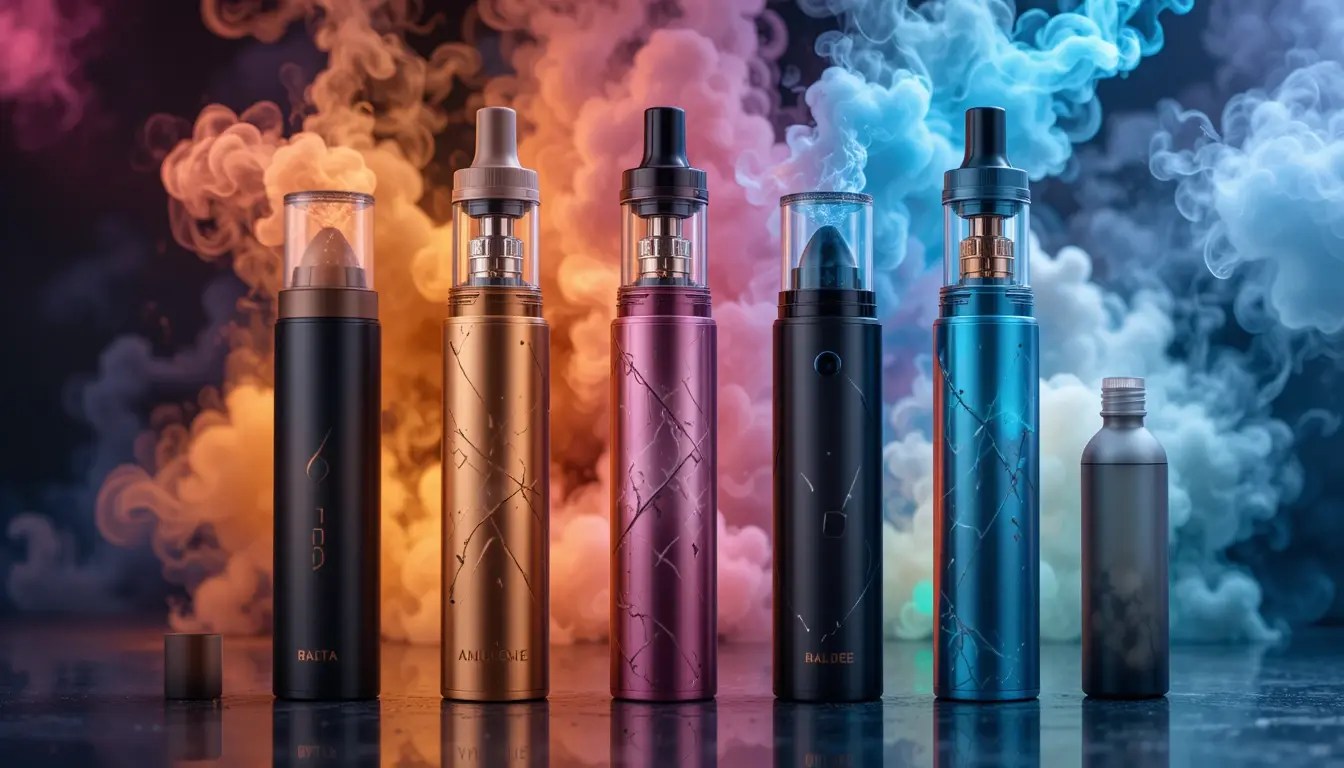
People often confuse a vaporizer with a traditional smoke device. Both deliver substances like tobacco or herbs, but they work differently. Understanding the difference can help users make better choices for health, convenience, and experience. This article explains how a vaporizer operates compared to smoking devices. It focuses on key features, functions, and benefits of each method.
What is a Vaporizer?
A vaporizer is a device that heats material until it turns into vapor. It does not burn the material. The user inhales vapor instead of smoke. This method avoids the harmful by-products of combustion.
Vaporizers work with dry herbs, oils, or concentrates. They come in different forms, including desktop and portable vaporizers. The heating method used can be conduction or convection. Conduction heats the material by direct contact. Convection uses hot air to create vapor. Both methods avoid burning.
Portable Vaporizers
Portable vaporizers are small, battery-powered units that provide users with the freedom to vape wherever they go. These compact devices are designed for ease of use, making them ideal for travel or discreet sessions. Their lightweight and pocket-friendly design has made them a favorite among vaping enthusiasts who prioritize convenience without sacrificing performance. Whether you’re heading out for the day or simply want a quick session at home, portable vaporizers offer reliable, on-the-go functionality.
When it comes to finding high-quality devices and accessories, Canadian Vaporizers is vaporizer store in Canada offering a wide selection of trusted brands and models to suit different preferences. Most portable vaporizers now feature advanced options like temperature control, allowing users to fine-tune their experience for optimal vapor quality. Many models also come equipped with long-lasting rechargeable batteries and intuitive user interfaces, making them suitable for both beginners and experienced users alike. Choosing a reputable store ensures access to genuine products, helpful support, and the latest innovations in vaping technology.
What is a Smoke Device?
A smoke device burns material to produce smoke. The user inhales the smoke through a filter or pipe. This method creates tar and harmful gases. These by-products enter the lungs along with the smoke.
Smoke devices include cigarettes, cigars, and pipes. They rely on fire to function. The burning process releases substances that can irritate the lungs. Smoke from these devices can also affect those nearby through second-hand exposure.
Key Differences Between Vaporizers and Smoke Devices
Heating Method
Vaporizers heat material without burning. Smoke devices use combustion. Heating without fire reduces exposure to harmful substances. Combustion breaks down material and releases chemicals. Vaporization preserves the core ingredients while avoiding toxins.
Inhalation Substance
Vaporizers create vapor. Smoke devices create smoke. Vapor is lighter and cleaner. Smoke is thicker and contains ash and chemicals. Many users report less throat irritation with vapor than with smoke.
Odor and Residue
Vapor has a milder smell. It fades quickly. Smoke leaves a strong smell and lingers on clothes and furniture. Vaporizers produce less residue. Smoke can leave behind ash and stains.
Health Impact
Vaporizers reduce exposure to tar and carcinogens. Smoke contains more harmful substances. Many studies show that vapor is less damaging to lung tissue. However, both methods still deliver active ingredients. Users should still be cautious and use products responsibly.
Device Maintenance
Vaporizers need regular cleaning but produce less buildup. Smoke devices can clog and need ash disposal. Cleaning a vaporizer involves wiping chambers and screens. Cleaning a pipe involves removing soot and ash. Proper care extends the life of both devices.
Advantages of Using a Vaporizer
Cleaner Experience
Vaporizers offer a cleaner inhalation experience. The vapor contains fewer toxins than smoke. Many users switch to vaporizers to reduce coughing and irritation.
Since there is no fire, vaporizers also reduce the risk of burns. This makes them safer for indoor use and shared spaces. The lower odor also keeps surroundings cleaner and more comfortable.
Cost Efficiency
Vaporizers can be more cost-effective over time. They use material more efficiently. Less product is wasted in vapor form. Portable vaporizers especially help reduce usage through better control.
While the upfront cost of a vaporizer may be higher, the long-term savings can balance it. Fewer replacements and more control over dosage also help save money.
Temperature Control
Many vaporizers offer temperature control settings. This lets users customize their experience. Lower temperatures preserve flavor. Higher settings produce more vapor.
Smoke devices have no such control. The flame always burns at a high temperature. This often destroys some active compounds in the process.
Disadvantages of Using a Smoke Device
Health Risks
Smoking increases the risk of lung issues, throat problems, and other health conditions. Burning material releases harmful chemicals. These include carbon monoxide and tar.
Regular smoking also affects oral health. It stains teeth and damages gums. Long-term exposure increases the risk of chronic illness.
Odor and Stains
Smoke leaves a strong, lingering smell. It can stain walls, curtains, and clothing. Vapor from a vaporizer does not leave such marks.
Smoke buildup also affects air quality indoors. It may require more cleaning and air purification. Vaporizers offer a cleaner alternative in shared environments.
Choosing the Right Option
Why Many Users Choose Vaporizers
Vaporizers are growing in popularity for health and convenience reasons. Portable vaporizers make it easy to use them anywhere. The ability to control temperature, reduce waste, and avoid smoke appeals to many users.
Vaporizers are also more discreet. They produce less odor and visible output. This makes them ideal for users who value privacy or need to avoid strong smells.
When Some Users Still Choose Smoke Devices
Some users prefer smoke devices for their simplicity. There is no charging, no buttons, and no setup. Smoking also provides a different flavor and sensation, which some users find more satisfying.
Smoke devices are often cheaper to buy initially. They require fewer components and less maintenance. However, they come with higher health and cleanup costs.
Conclusion
Vaporizers and smoke devices serve similar purposes but function differently. Vaporizers heat materials without burning, creating vapor instead of smoke. Smoke devices burn materials and release harmful substances. Vaporizers offer more control, less odor, and a cleaner experience.
Portable vaporizers provide convenience for daily use. They are a good option for those who want flexibility and better health outcomes. While some users may still prefer the simplicity of smoke devices, vaporizers offer clear advantages in efficiency, safety, and long-term value.
Understanding these differences helps users make informed choices. Those considering a switch should explore various vaporizer options. Starting with a portable vaporizer can be a simple step to reduce harm and improve the experience.
 Lifestyle Studio